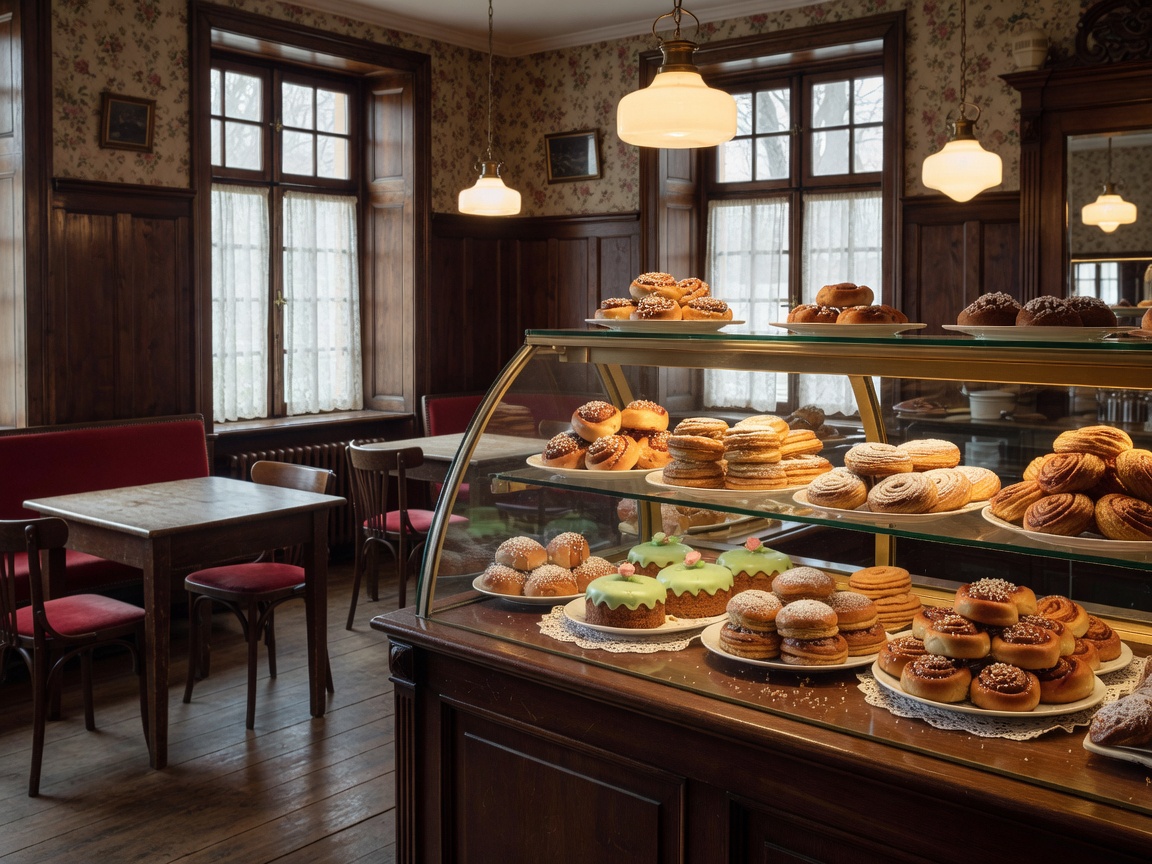
The Art of Swedish Fika & Specialty Coffee

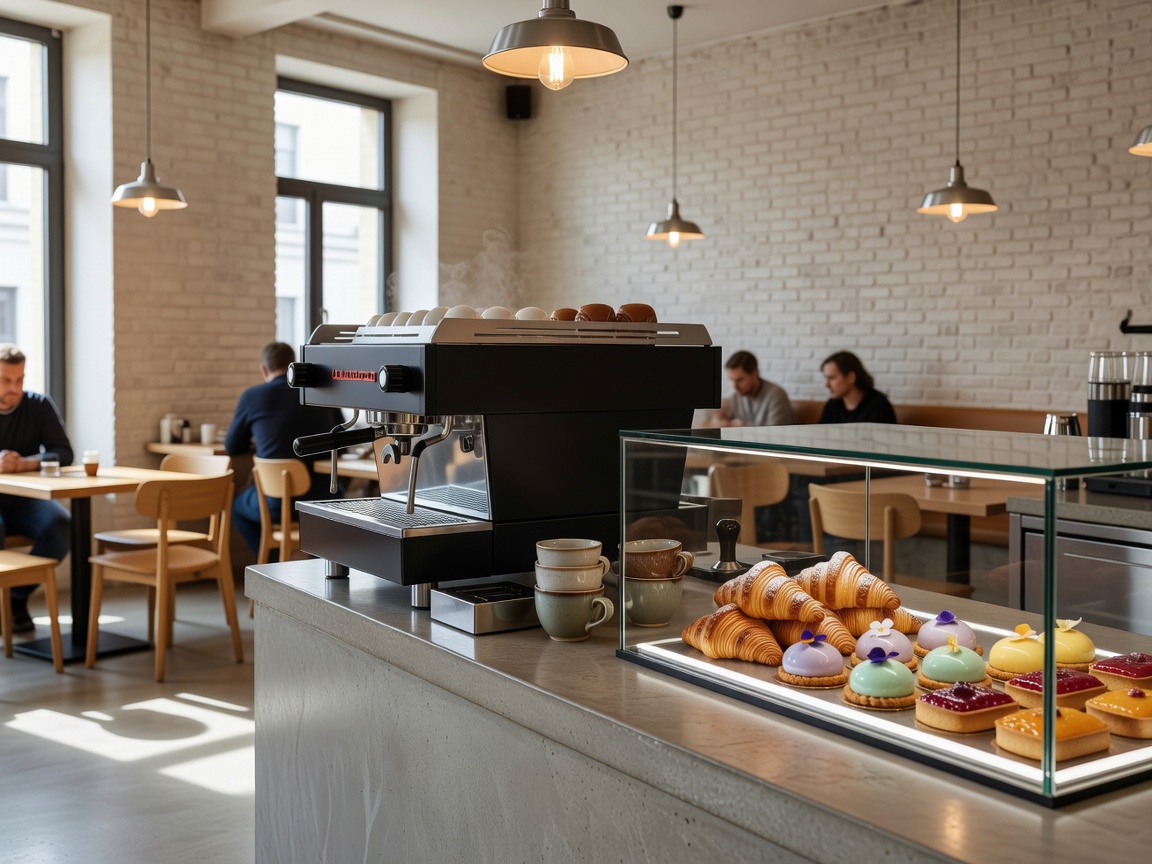
More than just a coffee break, fika is a celebrated Scandinavian daily ritual of slowing down, sharing conversation, and savoring freshly baked cardamom buns with ethically sourced roasts. Explore the best traditional konditoris and modern artisan coffee bars across Stockholm.

Single-Origin Roasts Stone-Oven Kanelbullar Historic Konditori Salons Södermalm to Vasastan
View Stockholm Cafés

The Stockholm Fika Trails

Choose an itinerary that matches your taste: classical heritage, specialty roaster hopping, or rapid express morning routes.

1

Vete-Katten (Norrmalm)

Begin at 09:30 with warm kardemummabullar and copper-pot filter bryggkaffe in the labyrinth 1920s salon.

Start Point — Kungsgatan
2

Stora Bageriet (Östermalm)

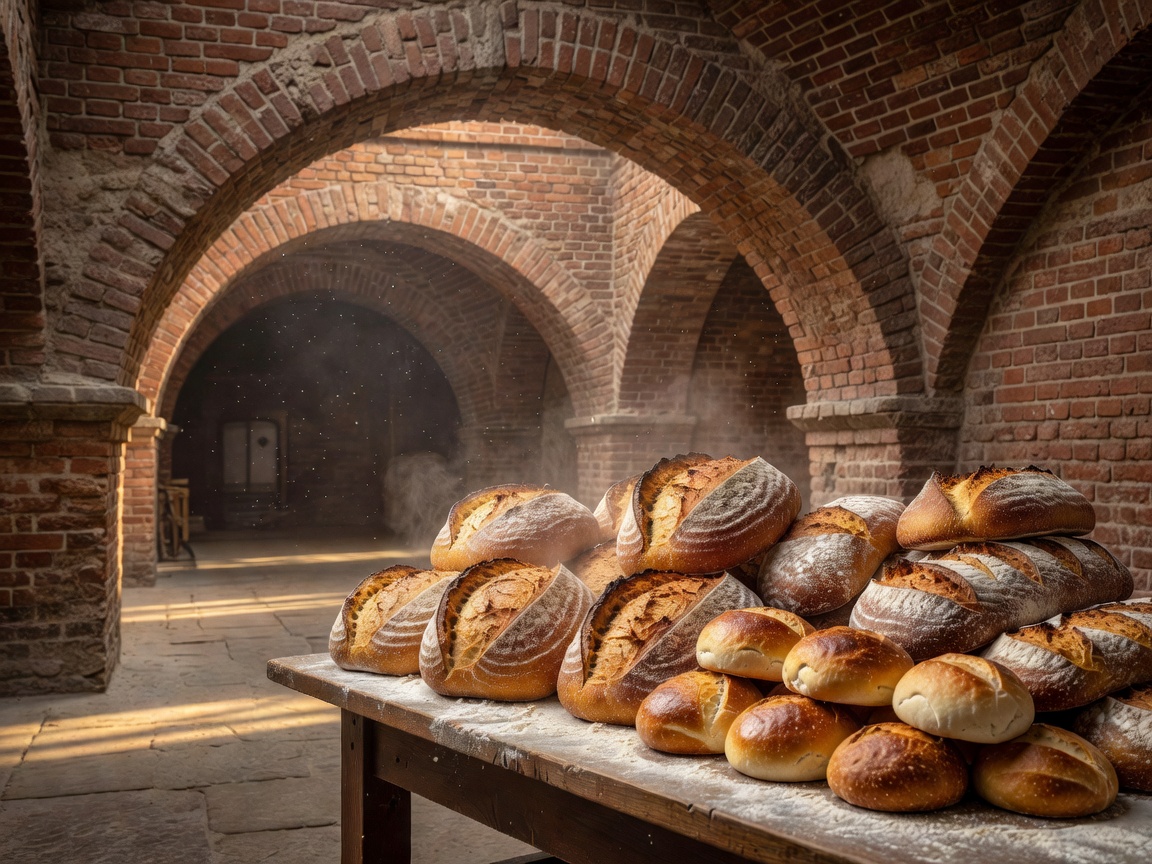
Walk 15 minutes east along Birger Jarlsgatan to Sibyllegatan. Taste sourdough vaniljbullar under high industrial ceilings.

1.4 km walk (~18 mins)
3

Fabrique (Gamla Stan / Södermalm)

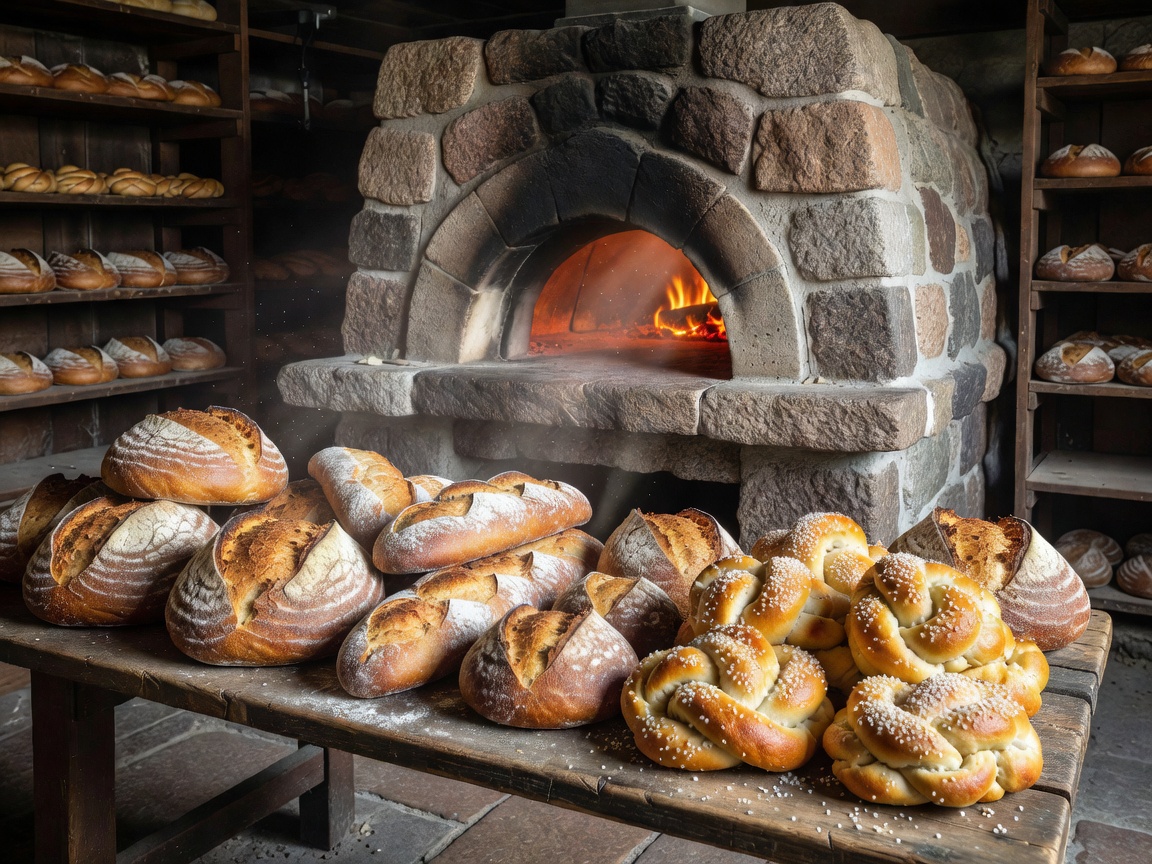
Cross over through historic alleys to Fabrique for stone-oven crusty rye rolls and knotted cinnamon braids.

1.8 km walk (~22 mins)

Understanding the Culture of Fika

Why this ritual is an essential pillar of Swedish work-life balance, friendship, and confectionery craftsmanship.

What Fika Truly Means

Derived as an inversion of the 19th-century Swedish word kaffi (coffee), fika is both noun and verb. It is not merely sipping beverage at a desk; it mandates stopping work entirely to commune with colleagues, family, or quiet thoughts.

Filter Coffee Tradition (Bryggkaffe)

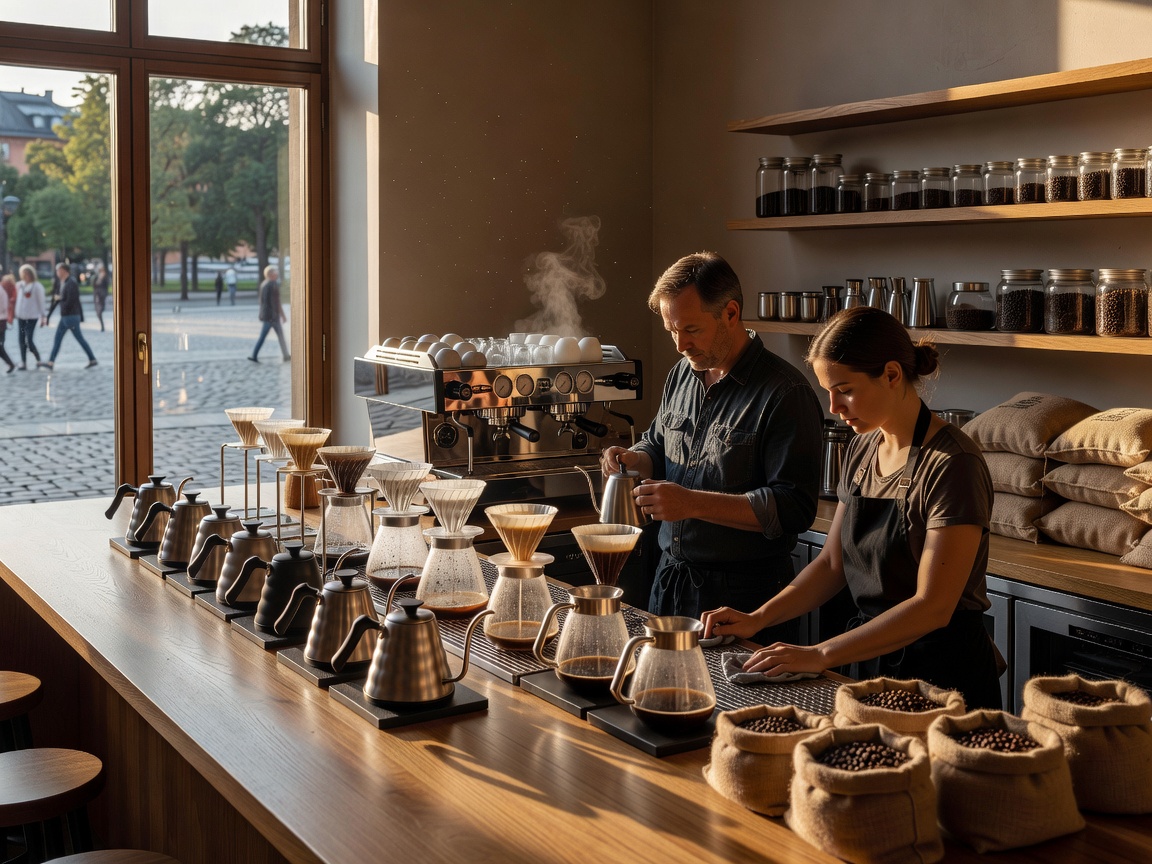
While espresso drinks are widely embraced, the true Swedish home tradition revolves around clean, aromatic medium-to-light roasted drip coffee (bryggkaffe) served black with a refill option known as påtår.

The Sju Sorters Kakor Tradition

According to historic Swedish hosting etiquette, an accomplished host was expected to serve exactly seven distinct types of small cookies and pastries alongside coffee—neither six (perceived as stingy) nor eight (perceived as boastful).